
Infrastructure
Our company operates from a spacious 50,000 square feet manufacturing area, equipped with comprehensive infrastructure to handle large-scale production efficiently. Supported by advanced machinery and well-organized workflows, our facility is designed to meet diverse manufacturing requirements.
Our dedicated and experienced production team is deeply committed to quality and does not compromise at any stage of the manufacturing process. Each product undergoes strict quality checks to ensure consistency, reliability, and customer satisfaction.
To ensure timely and safe deliveries, we are backed by our own fleet of trucks and pickup vehicles, enabling smooth logistics, faster dispatches, and dependable supply to our customers.
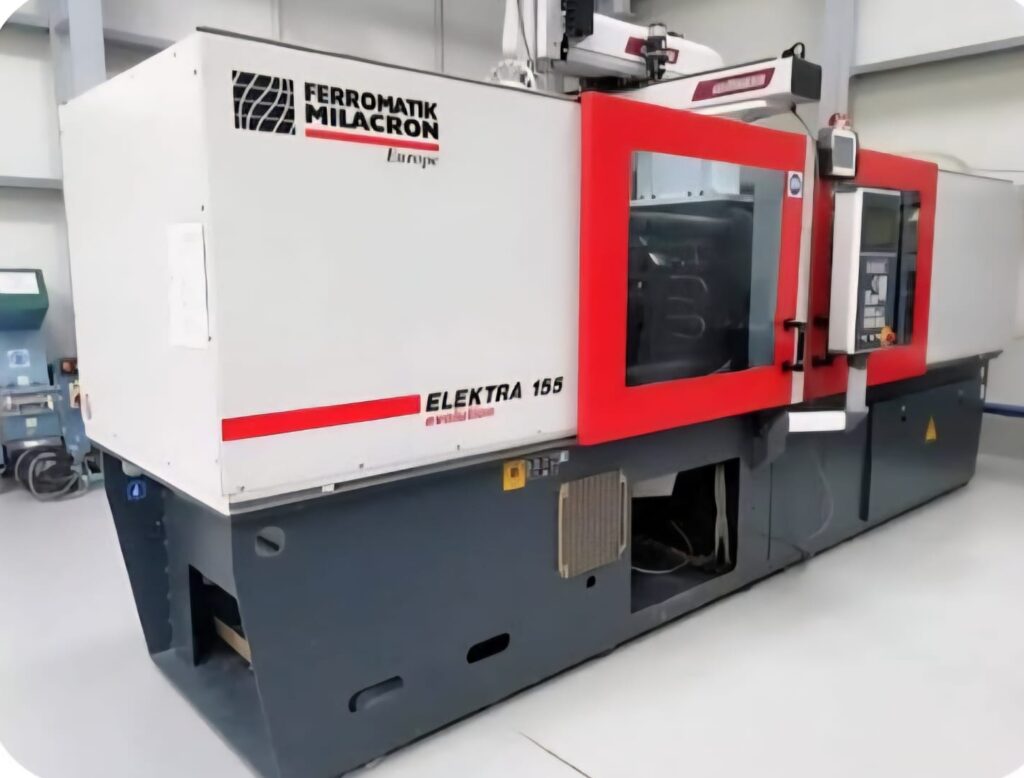
Injection Moulding
The plastic injection moulding process enables the production of large volumes of high-quality components with excellent accuracy and consistency, at high speed.
In this process, plastic material in the form of granules is fed into the machine, where it is heated and melted to a controlled temperature. The molten plastic is then injected under high pressure into a precisely engineered mould cavity, ensuring an exact replication of the mould shape.
Once the plastic cools and solidifies, the mould opens and the finished component is ejected. The mould then closes, and the cycle repeats, allowing for efficient and continuous mass production.
Using this advanced injection moulding technology, we manufacture plastic buckets ranging from 500 grams up to 26 litres, catering to diverse industrial and commercial packaging requirements with consistent quality and durability.
Extrusion Blow Moulding (EBM)
Extrusion Blow Moulding (EBM) is a highly efficient plastic manufacturing process used for producing hollow plastic containers such as HDPE bottles and jars. In this process, plastic granules are heated until molten and then extruded into a hollow tube known as a parison.
The parison is positioned inside a water-cooled blow mould, which closes around it. Compressed air is then injected into the parison, allowing it to expand and accurately take the shape of the mould. After cooling, the mould opens and the finished container is ejected.
As a trusted HDPE bottle manufacturer in India, Sankalp Bucket uses premium High-Density Polyethylene (HDPE) granules for extrusion blow moulding. This process is ideal for manufacturing plastic bottles and jars for lubricants, chemicals, and pesticide packaging, with capacities ranging from 500 ml to 5 litres. We commonly use HDPE grades such as B56003 and B6401, known for their excellent strength, durability, and chemical resistance.
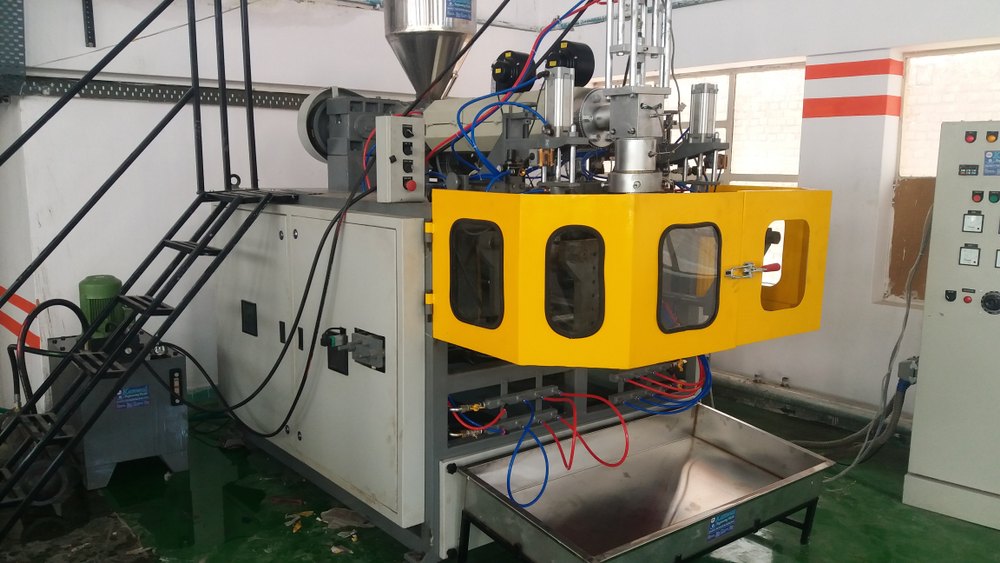
Extrusion Blow Moulding offers high design flexibility, enabling the production of containers in custom shapes, multiple sizes, and various neck finishes. This versatile process supports a wide range of plastic materials, making it suitable for diverse industrial and packaging applications.
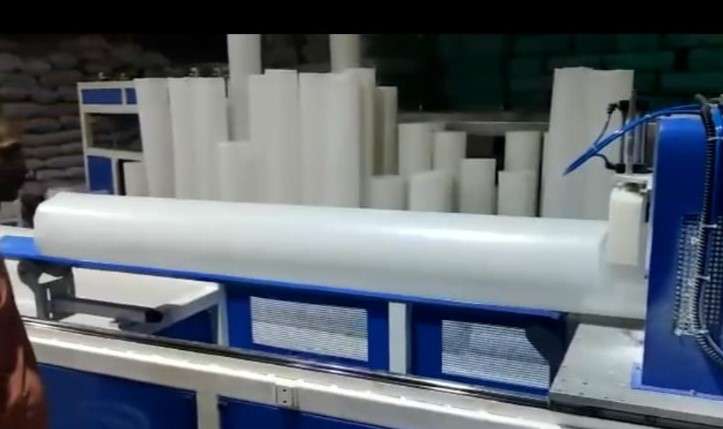
Extruded-cum-Welded HDPE Drums
Extruded-cum-welded drums are heavy-duty HDPE containers designed for safe storage and transportation of liquids, chemicals, food products, and hazardous materials. Manufactured using controlled extrusion and molecular welding, these drums offer leak-proof performance and superior mechanical strength, with weld joints as strong as the parent material.
Key Advantages:
- Seamless and leak-proof construction
- Excellent chemical resistance
- High impact and weather durability
- Corrosion-free and lightweight
- Customizable sizes, colors, and fittings Applications:
Chemicals, pharmaceuticals, food & beverages (food-grade), agriculture, water treatment, oil and lubricants.
Testing & Standards:
Drums are tested as per international standards, including drop test, leak test, and shear weld test, ensuring strength, safety, and reliability.
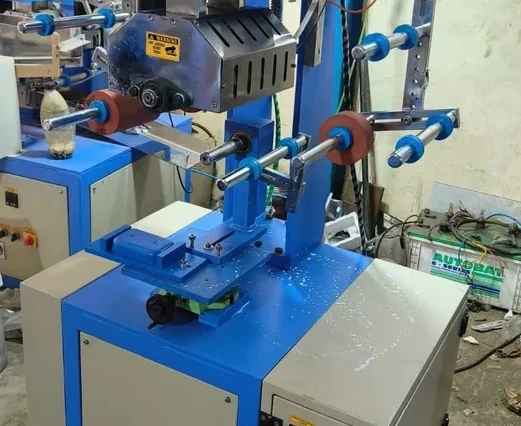
heat transfer label
Heat transfer labeling is a sophisticated decoration technique, typically suited for large production runs. In this process, a decal-like label is transferred onto the container using heat and pressure. Once applied, the container gives the appearance of being directly printed, rather than having a separate label affixed.
This technique delivers a seamless, high-quality finish that enhances the overall visual appeal of the product.
We are equipped with multiple advanced heat transfer labeling machines, enabling us to serve both domestic and global clientele. Our heat transfer labeling systems are capable of printing up to 7 colors, offering a premium, rich, and durable finish to your packaging.
screen printing
.Screen printing is one of the most versatile printing processes and is widely used across various industries. It is a cost-effective printing method, which has contributed significantly to its growing popularity.
The applications of screen printing continue to expand, as it can be applied to almost any flat surface. One of the key advantages of screen printing is its ability to use a wide variety of inks and printing materials on different surfaces, allowing for numerous combinations that can be tailored to specific end-use requirements and budgets.
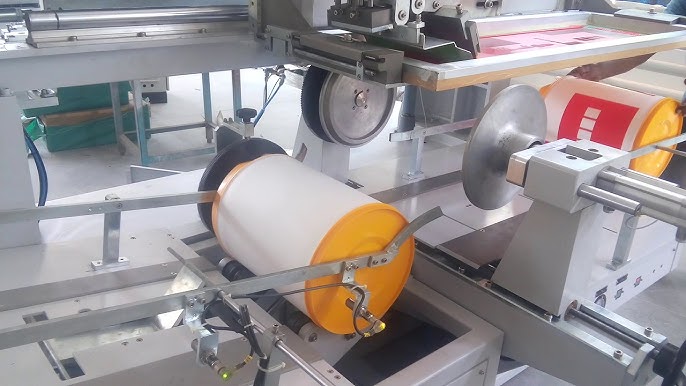
With the use of automated screen printing machines, we have built a strong reputation for delivering high-quality screen-printed plastic containers and pails, ensuring consistency, durability, and excellent finish.
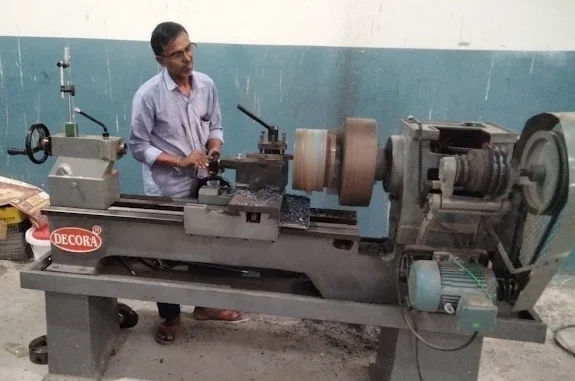
Our company is supported by a fully equipped Tool Room Workshop, dedicated to the maintenance and repair of machines, moulds, and dies. This facility enables quick repairs, modifications, and preventive maintenance, ensuring minimal downtime and uninterrupted production.
With skilled technicians and precision equipment, our Tool Room Workshop plays a key role in maintaining consistent product quality, improving operational efficiency, and supporting continuous process improvement.